Fetch fast
Start with a lightweight request path for pages that do not need a browser.
Read the guideFetch, render, extract, and crawl the public web through one API. Get normalized outputs with the audit evidence production systems need.
// Request
{
  "url": "https://example.com/docs"
}

// Response
{
  "status": "completed",
  "content": {
    "markdown": "# Example Docs"
  },
  "audit": {
    "engine_winner": "light",
    "quality_score": 0.92
  }
}SpiderFly keeps routing, quality decisions, identity, and browser capacity behind one consistent API boundary.
Start with a lightweight request path for pages that do not need a browser.
Read the guideEscalate to managed browser rendering only when page behavior requires it.
Read the guideReturn normalized content, structured items, metadata, and explainable audit fields.
Read the guide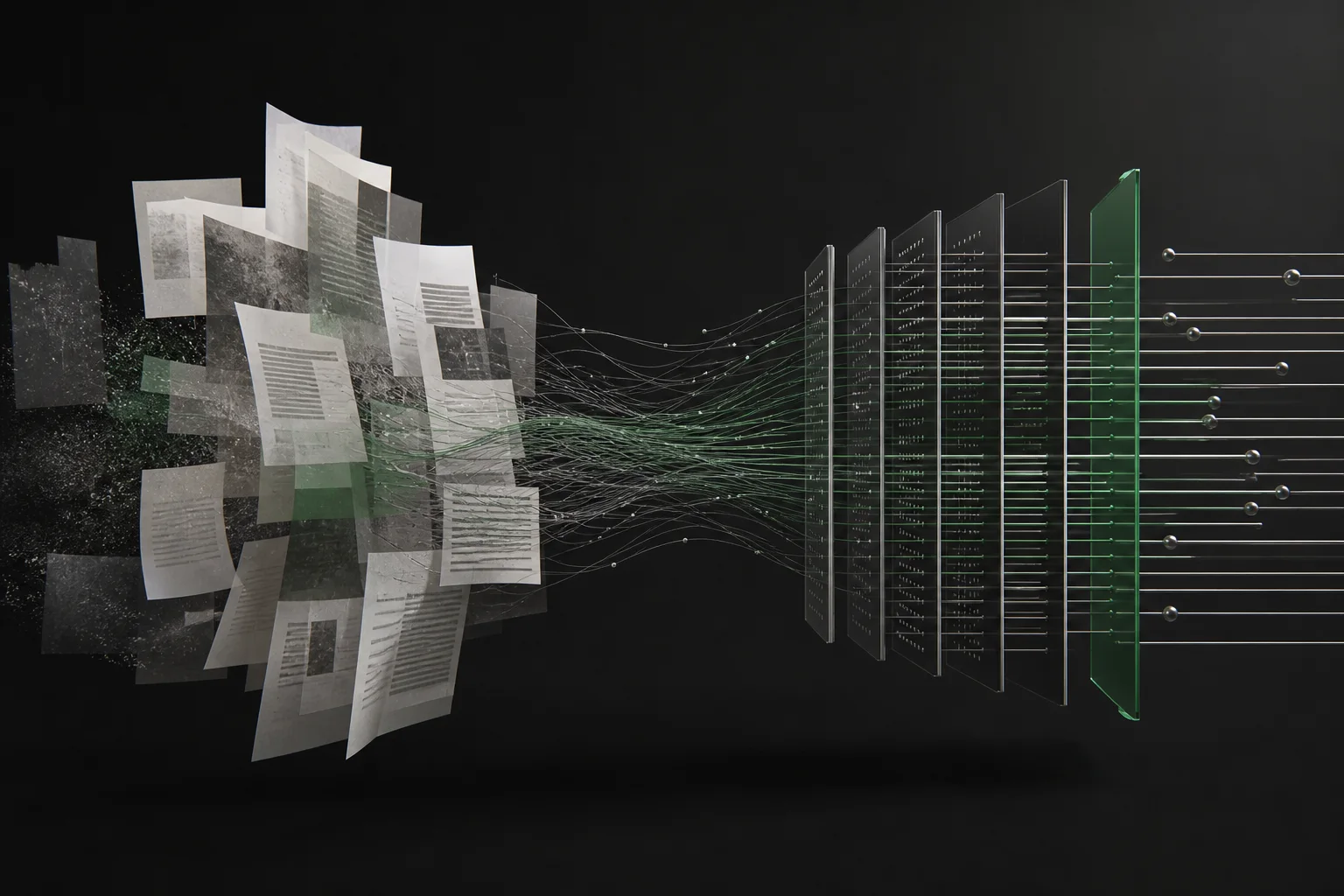
Every accepted result can carry normalized content, artifacts, usage, quality, and fallback information. Your agent gets data it can use and your team gets a path it can explain.
Ground agents with current public web context and traceable source output.
Observe pages, feeds, channels, and source-specific updates through durable jobs.
Turn repeated page structures into validated JSON without rebuilding browser infrastructure.
Plan bounded crawls and inspect asynchronous status, results, usage, and diagnostics.
Short, practical notes for teams building collection and agent workflows.
Browse the journalA practical way to choose between direct fetch and browser rendering without paying browser cost for every page.
Define scope, depth, and result ownership before a crawl starts so asynchronous collection stays predictable.
Separate acquisition from extraction, then validate a typed result before it becomes agent context.
Start with Fetch, add browser rendering when a target needs it, and keep the same result contract as your workload grows.